
Diabetes in Nigeria: What You Actually Need to Know (Beyond the Textbook Definition)
.jpeg)
Disclaimer: This article is for general information only and is not medical advice. Please consult a doctor for diagnosis, testing, or treatment of diabetes or any related symptoms.
Diabetes is often called "the silent killer" because symptoms can creep in slowly, and in Nigeria specifically, awareness is still surprisingly low relative to how common the condition is becoming — partly tied to lifestyle shifts and the sugar-heavy nature of a lot of everyday Nigerian food and drink.
What's Actually Happening in the Body
Diabetes affects how your body processes glucose (blood sugar). Insulin, produced by the pancreas, is what allows glucose to enter your cells for energy. When insulin production is too low, or your body resists it, sugar builds up in the blood instead — and over time, that damages organs and nerves.
Types Of Diabetes
Diabetes comes in three primary varieties:
.jpeg)
Type 1 diabetes: the body produces little to no insulin at all; usually diagnosed early in life, not related to diet or lifestyle

Type 2 diabetes: the most common type by far, where the body either resists insulin or doesn't produce enough; strongly linked to diet, weight, and activity level

Gestational diabetes: This form of the disease develops during pregnancy and typically goes away after giving birth. But women who get gestational diabetes have a higher chance of getting type 2 diabetes later in life.
Symptoms Of Diabetes.
The symptoms of diabetes vary depending on the type and severity of the condition. Some common symptoms include:
- Frequent urination
- Excessive thirst
- Fatigue
- Blurred vision
- Slow healing of wounds
- Tingling or numbness in the hands or feet
- Unexplained weight loss
If several of these are showing up together, it's worth getting checked — a simple blood sugar test at most hospitals or labs can confirm it.
Why This Matters More in Nigeria Than People Realize
A lot of everyday Nigerian staples — soft drinks, heavily sweetened tea, white rice, garri, fried foods — contribute to the exact risk factors (weight gain, insulin resistance) that drive Type 2 diabetes. This isn't about cutting out Nigerian food entirely — it's about awareness of portions and frequency, not guilt.
Complications Of Diabetes
Numerous problems, some of which are fatal, can arise from uncontrolled diabetes. These comprise:
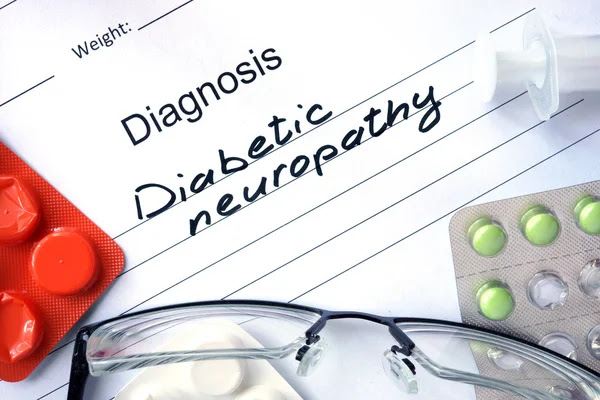
- Diabetic neuropathy: This is a condition of the nerves that affects the sensory, motor, and autonomic nerves, causing pain, tingling, numbness, and loss of sensation in the afflicted areas.
.jpeg)
- Diabetic retinopathy: This is a condition associated with diabetes that damages the eyes and may result in blindness or visual loss.
.jpeg)
_1.jpeg)
- Diabetic ketoacidosis: When the body produces a lot of ketones, the result is an accumulation of acid in the blood, which is a dangerous consequence of diabetes.

-Cardiovascular disease: Diabetes is a significant risk factor for the condition and can result in heart attacks and strokes.

- Kidney damage: If diabetes is left unchecked, kidney damage and kidney failure might result.
Diagnosis Of Diabetes
A blood test that examines blood sugar levels before or after ingesting a sugary beverage can be used to diagnose diabetes. If the blood sugar levels are consistently greater than usual, diabetes is diagnosed.
Treatment of Diabetes
A mix of medicine, lifestyle changes, and routine blood sugar monitoring is used to treat diabetes. Typical therapies include:

- Diet: Maintaining healthy blood sugar levels can be aided by a diet reduced in sugar and carbs.

- Exercise: Regular exercise can help manage blood sugar levels and enhance insulin sensitivity.

- Medication: To assist in controlling blood sugar levels, doctors may prescribe drugs such as insulin, metformin, and sulfonylureas.

- Monitoring: It's critical to regularly check blood sugar levels to make sure they stay within the desired range.
Pre-Diabetes
The term "pre-diabetes" refers to a condition in which blood sugar levels are elevated but not high enough to be classified as diabetes. The onset of type 2 diabetes can be slowed down or prevented by treating prediabetes, which is a warning indicator.
Insulin Resistance
When the body's cells develop insulin resistance, it results in elevated blood sugar levels. A diet high in sweets and carbs, obesity, a lack of physical activity, and insulin resistance are all significant risk factors for type 2 diabetes.
Blood Sugar
The primary fuel for the body's cells is blood sugar, also referred to as blood glucose. Insulin, a hormone created by the pancreas, controls blood sugar levels. Numerous problems, including diabetic neuropathy, diabetic retinopathy, and diabetic ketoacidosis, can result from high blood sugar levels.
Insulin
By making it easier for glucose to enter cells, the pancreas-produced hormone insulin contributes to the control of blood sugar levels. The body's ability to produce energy and regulate metabolism depends on insulin. High blood sugar levels in diabetics are caused by the pancreas producing less insulin than necessary or by the body developing insulin resistance.
Glucose
A simple sugar that comes from the food we eat is glucose. Insulin, a hormone made by the pancreas, controls glucose, which is the primary fuel for the body's cells. High blood sugar levels are caused by the body becoming resistant to insulin or producing less insulin than is necessary in diabetics.
In conclusion, diabetes must be carefully managed as a chronic disease to avoid complications. People can take charge of their health and lead healthy, full lives by being aware of the various aspects of diabetes. A nutritious diet, regular exercise, quitting smoking, and frequent blood sugar monitoring are a few measures to lower the chance of getting diabetes and its complications.


